Putting People First
Designing from human needs rather than system constraints.
About the project
Products and systems were being designed around data, architecture, and process. The people using them were often discussed, but rarely centered in decision-making. This work focused on creating shared understanding of users so teams could design with empathy, clarity, and intent.
Role
- UX Strategist
- Research Partner
- Storyteller and Advocate
Focus
- User research
- Personas and archetypes
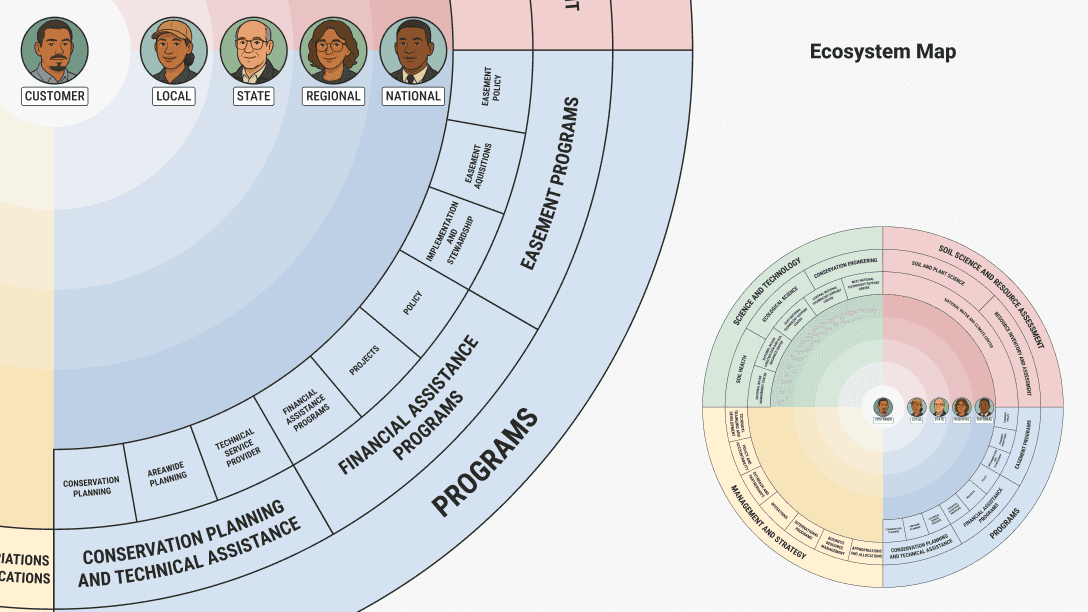
- Journey and ecosystem mapping
Outcome
Teams gained a shared understanding of real users and their needs. Research insights became visible and actionable. Design and product decisions aligned more closely with how people actually work.
Project Overview
Design decisions were often made without consistent reference to user needs. Research existed, but it was fragmented, hard to access, or limited to design teams. The opportunity was to leverage the research to become better aligned around people.
The Challenge
- Limited shared understanding of users
- Research artifacts siloed within design
- Difficulty connecting research to system-level decisions
Product decisions were often debated based on assumptions about user needs and feature prioritization lacked a clear user-centered framework.
Without a common view of users, systems drifted away from human needs.
The Approach
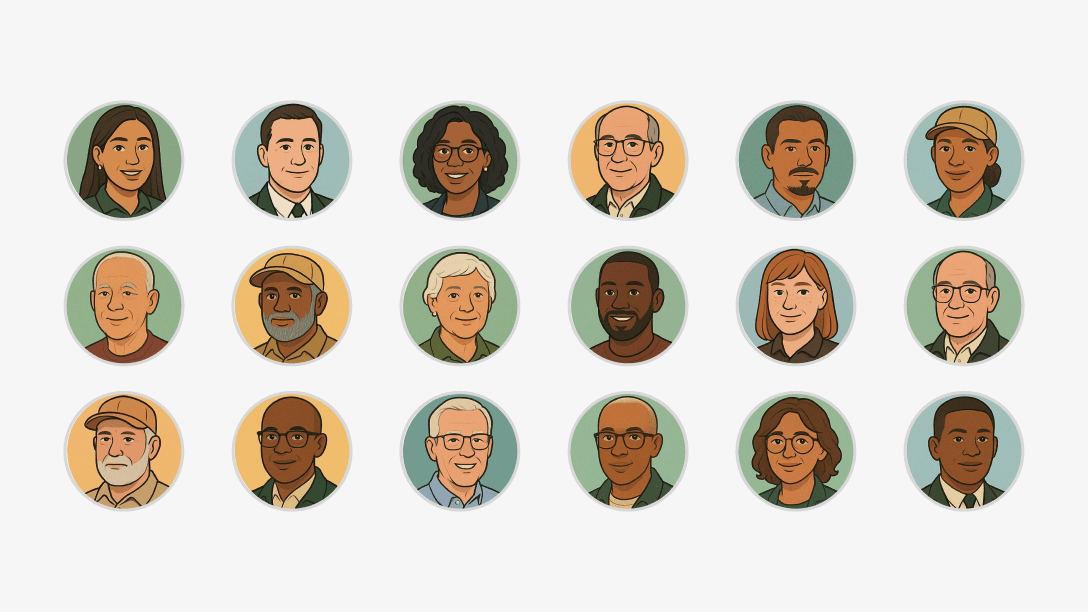
We conducted extensive user research across multiple segments. We synthesized findings into clear personas and archetypes. We facilitated workshops to introduce these mental models to stakeholders. We created artifacts to keep personas central to decision-making.
Create shared representations
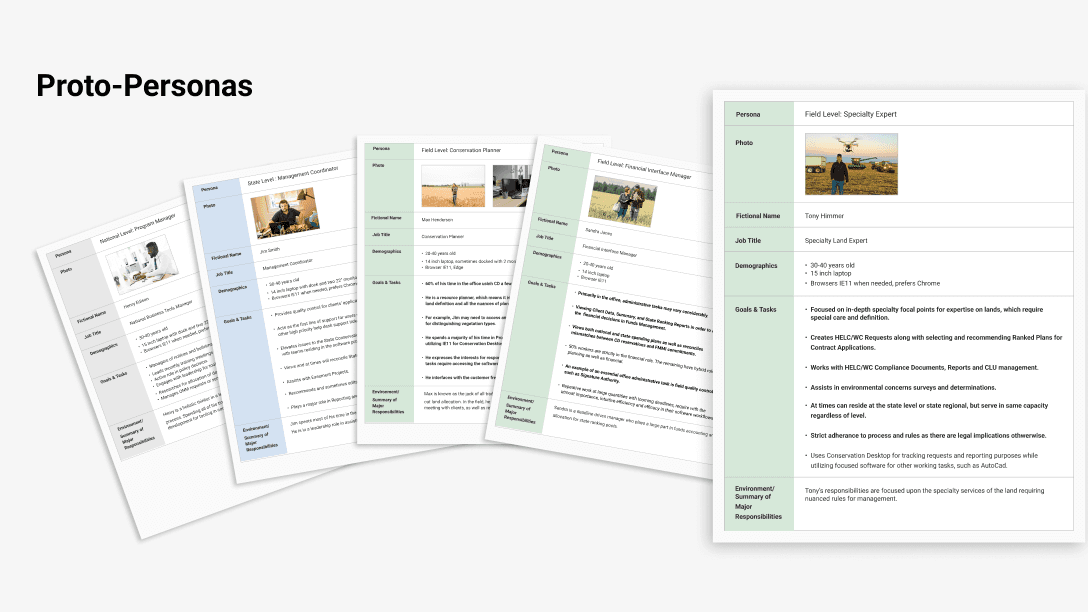
We developed personas, archetypes, and journey maps that reflected real behaviors and constraints.
Artifacts were designed to evolve, not remain static.
Design for reuse
Research artifacts were built as modular templates.
This reduced friction and increased adoption.
Make research usable
Artifacts were designed to support conversations, not just documentation.
They helped teams:
Research became a shared tool.
What Changed
- Increased demand for research artifacts beyond design
- Clearer focus on real user needs
- Better system-level decisions
Stronger alignment across teams and stakeholders
A key signal of success was leadership using these artifacts in their own presentations.
Why This Matters
- Services reflected real workflows
- Design systems supported real needs
- Outcomes improved for both employees and customers
Good systems start with people. By grounding design in shared understanding of users, we ensured that:
This work ensured that human needs stayed visible as scale increased.